
RUEA Participated in the 9th Meeting of the EU–Armenia Civil Society Platform
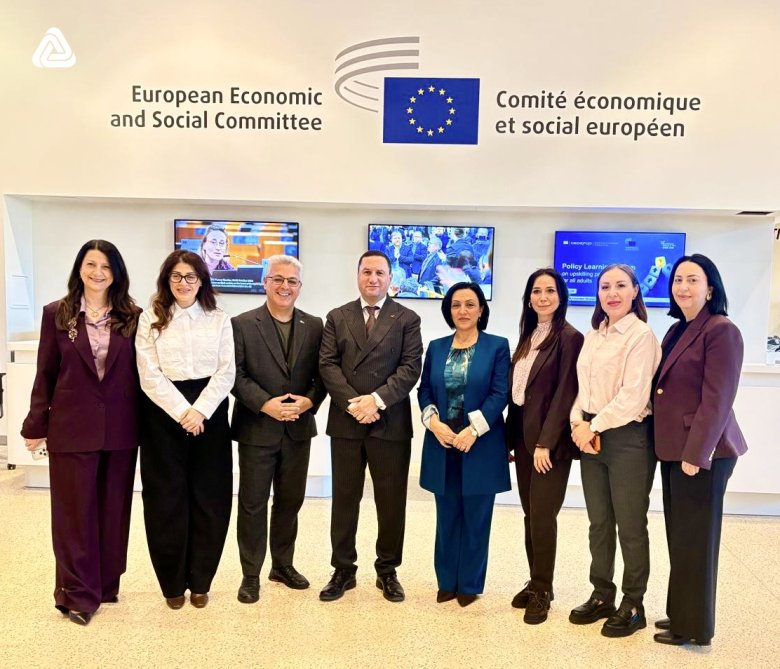
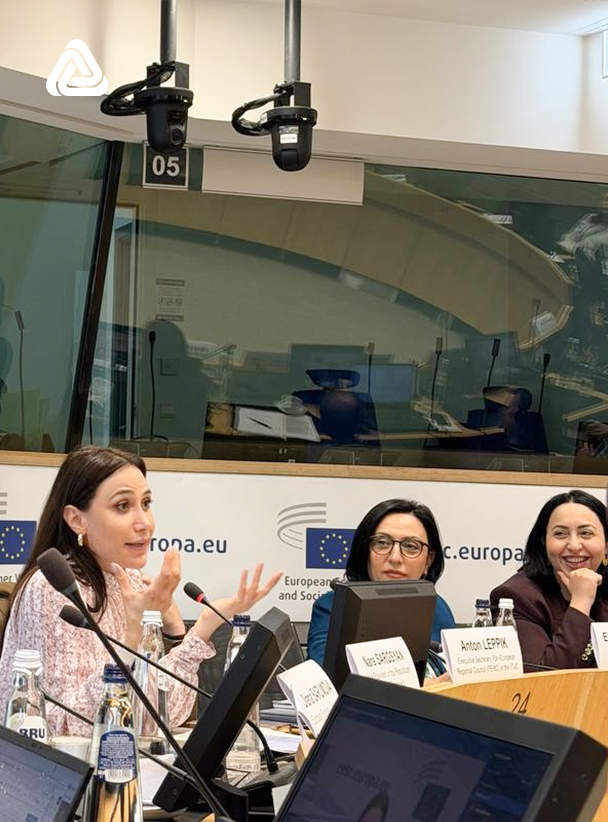
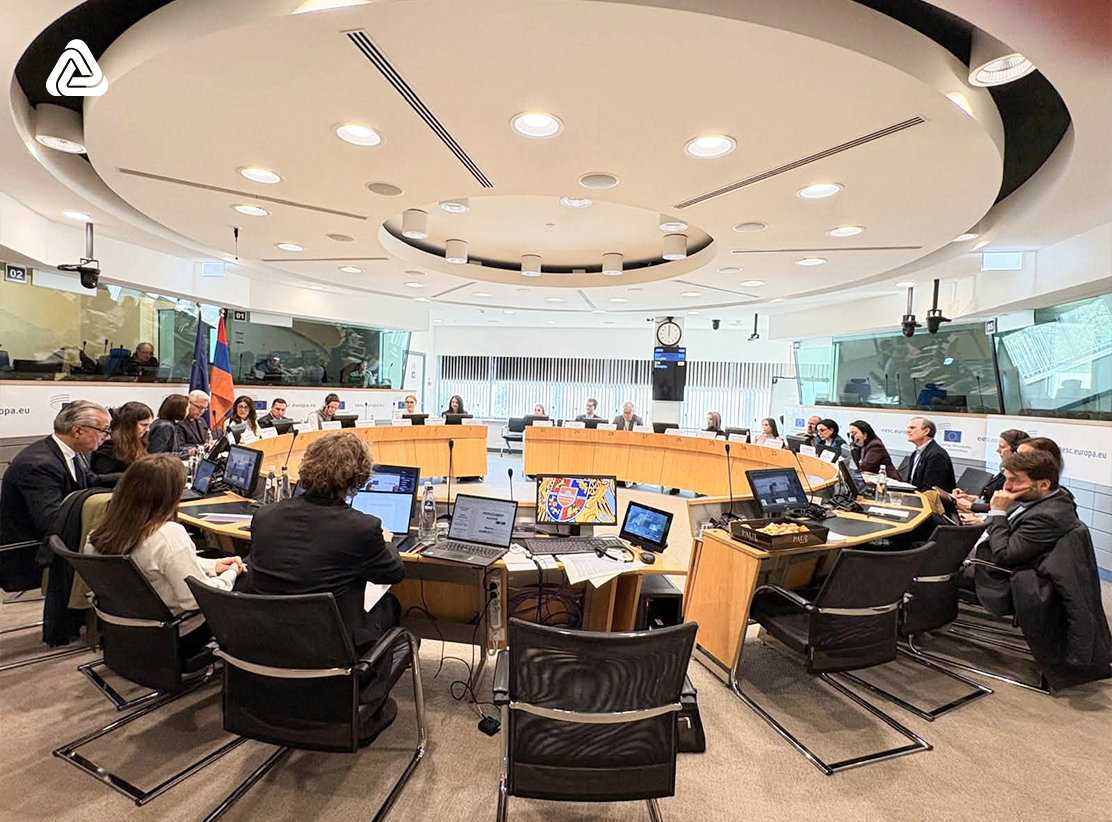
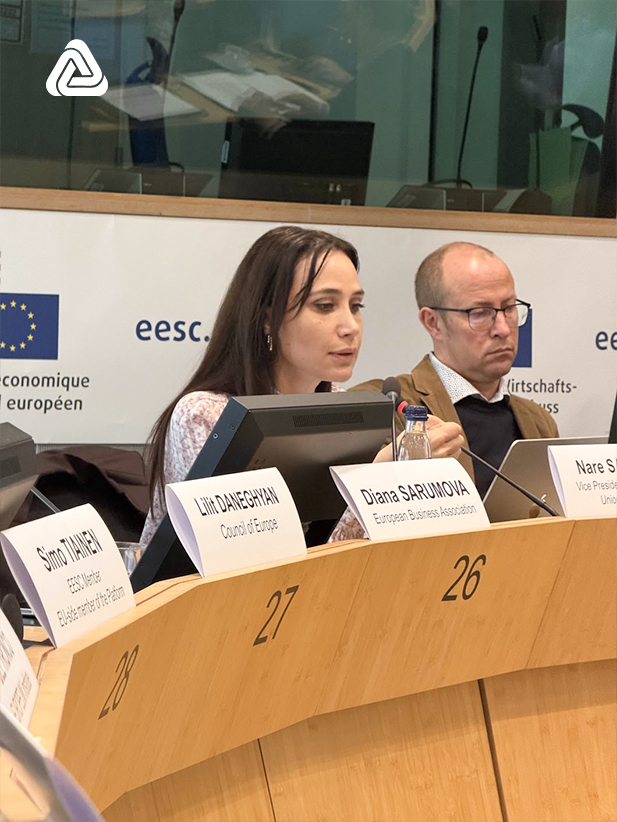
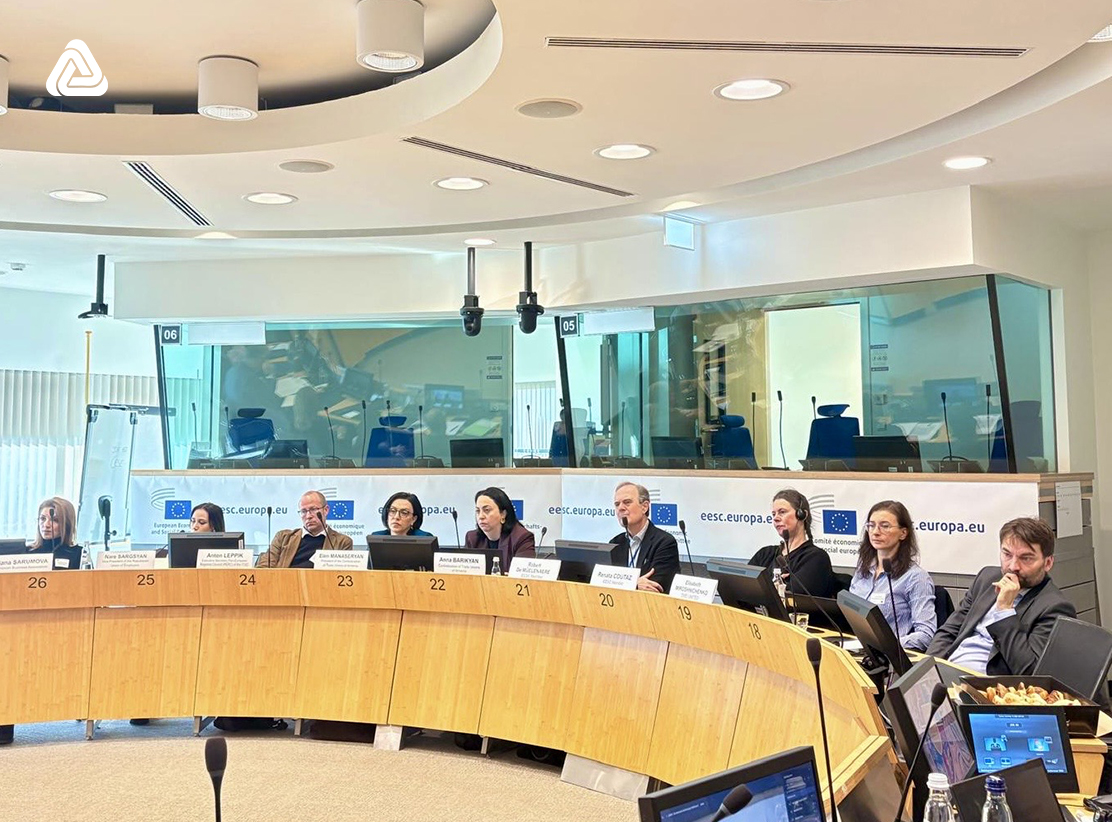
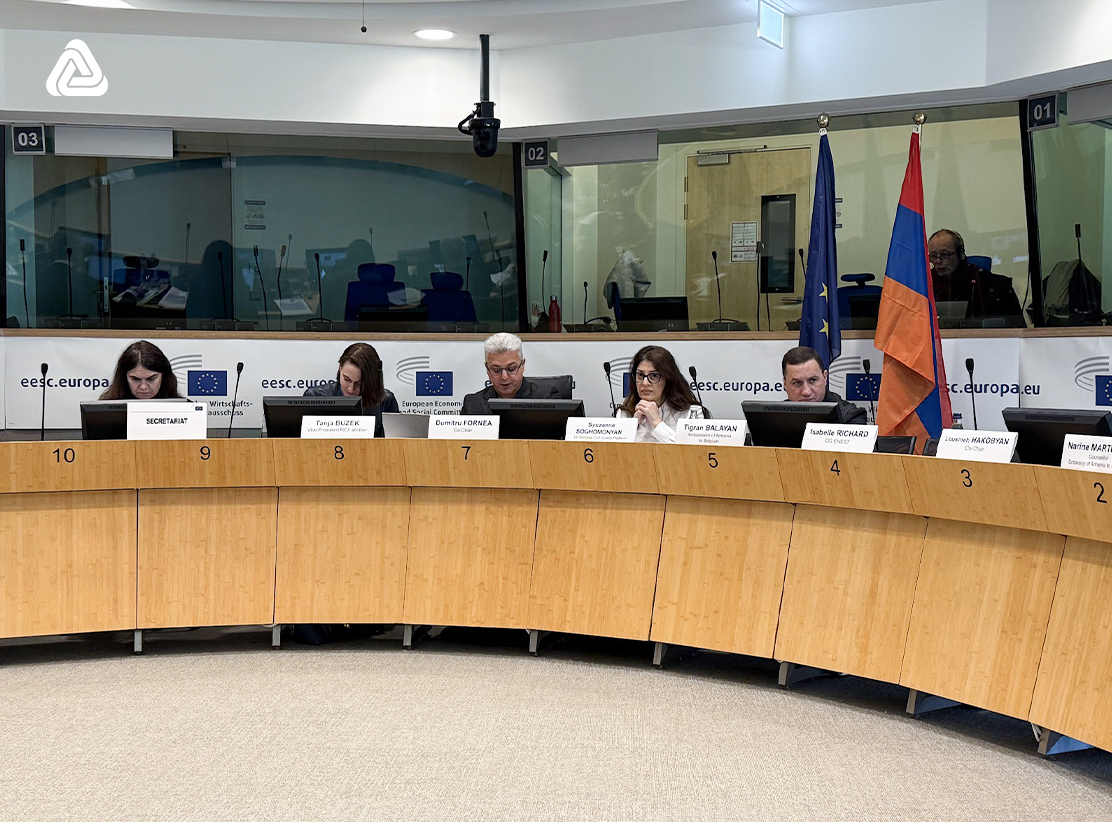
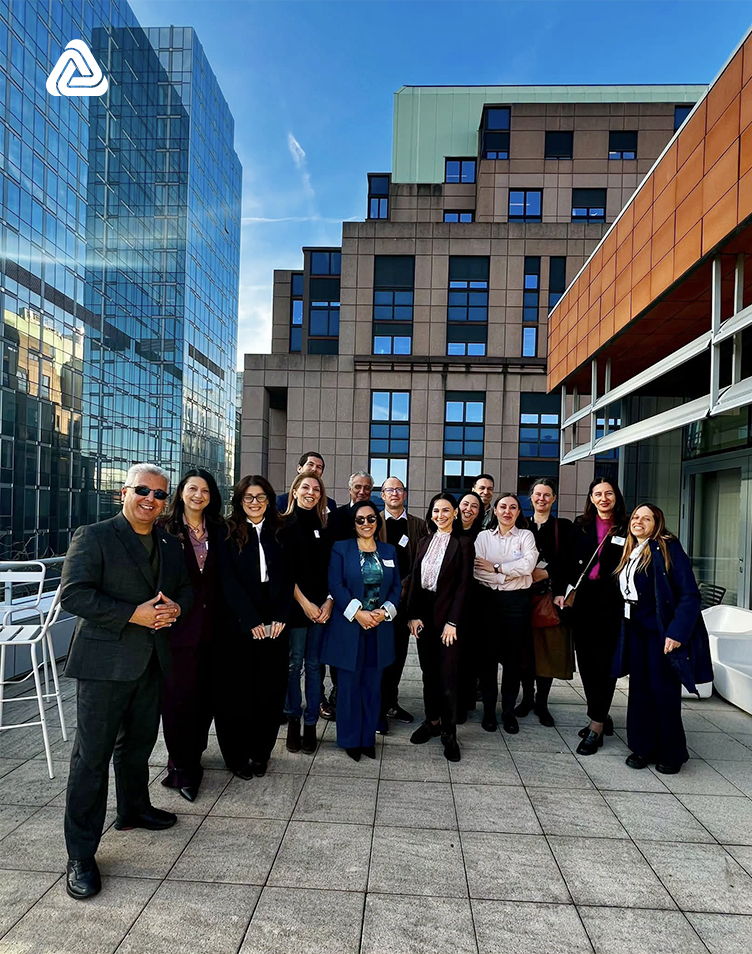
On 9 November, the 9th Meeting of the EU–Armenia Civil Society Platform took place in Brussels, with the participation of Nare Sargsyan, Vice-President of the Republican Union of Employers of Armenia (RUEA), as well as Diana Sarumova and Marine Zhamkochyan, employer representatives of the CEPA Civil Society Platform nominated by RUEA.
The meeting brought together representatives of Armenian and European institutions, civil society organisations, social partners and the private sector to discuss the implementation of the Comprehensive and Enhanced Partnership Agreement (CEPA) and opportunities for further developing EU–Armenia cooperation.
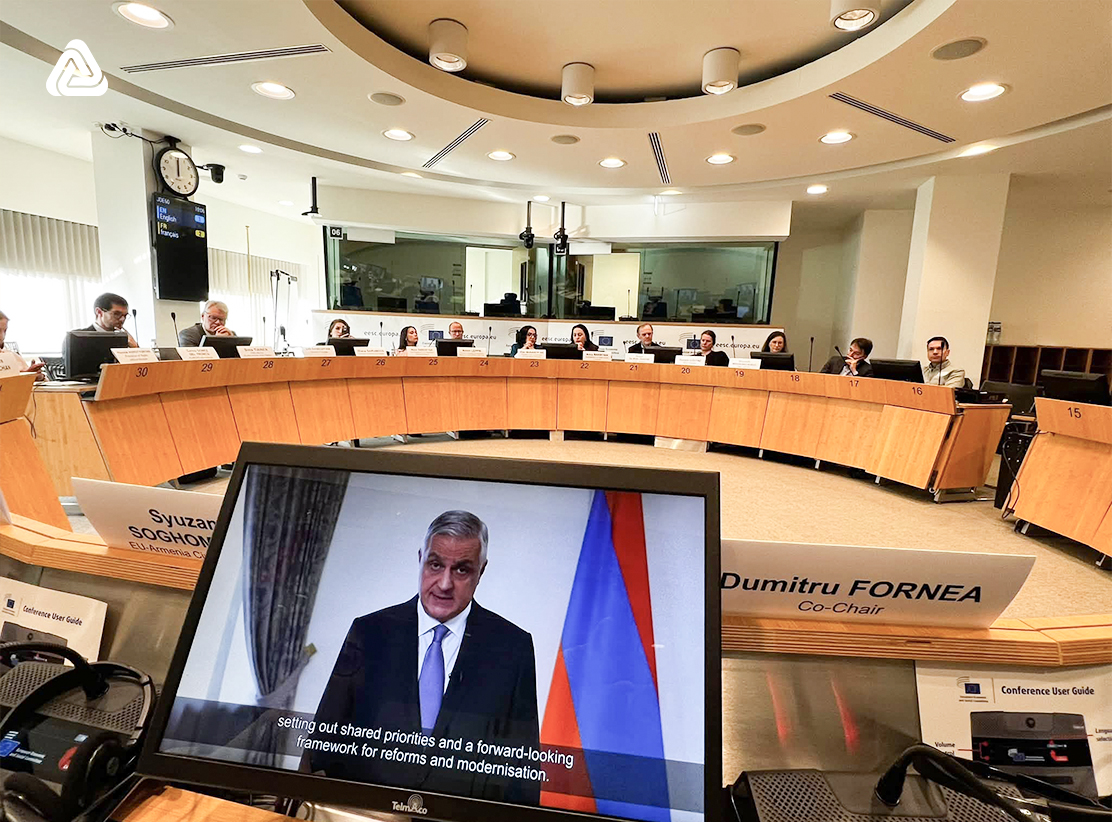
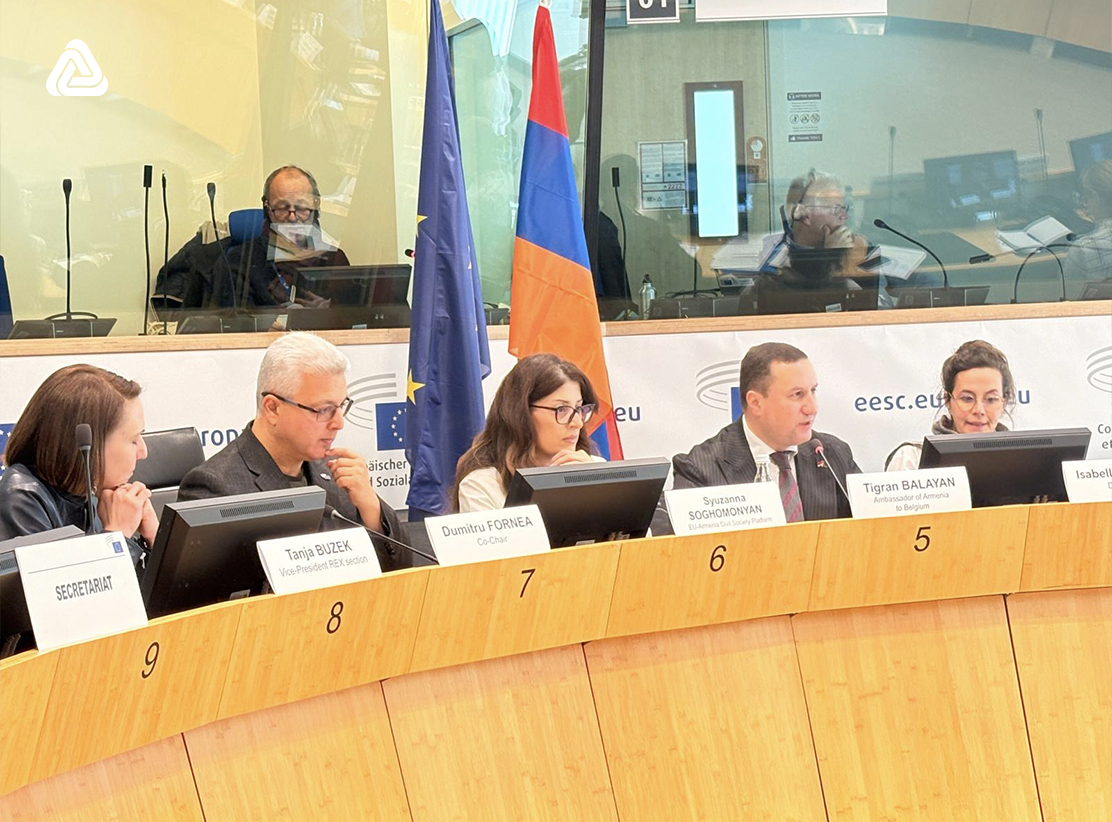
The meeting opened with remarks by Dumitru Fornea, Co-Chair of the CEPA Civil Society Platform, Syuzanna Soghomonyan, member of the Platform, and Tanja Buzek, Vice-President of the EESC External Relations Section. Participants were also welcomed through a video address by Mher Grigoryan, Deputy Prime Minister of Armenia.
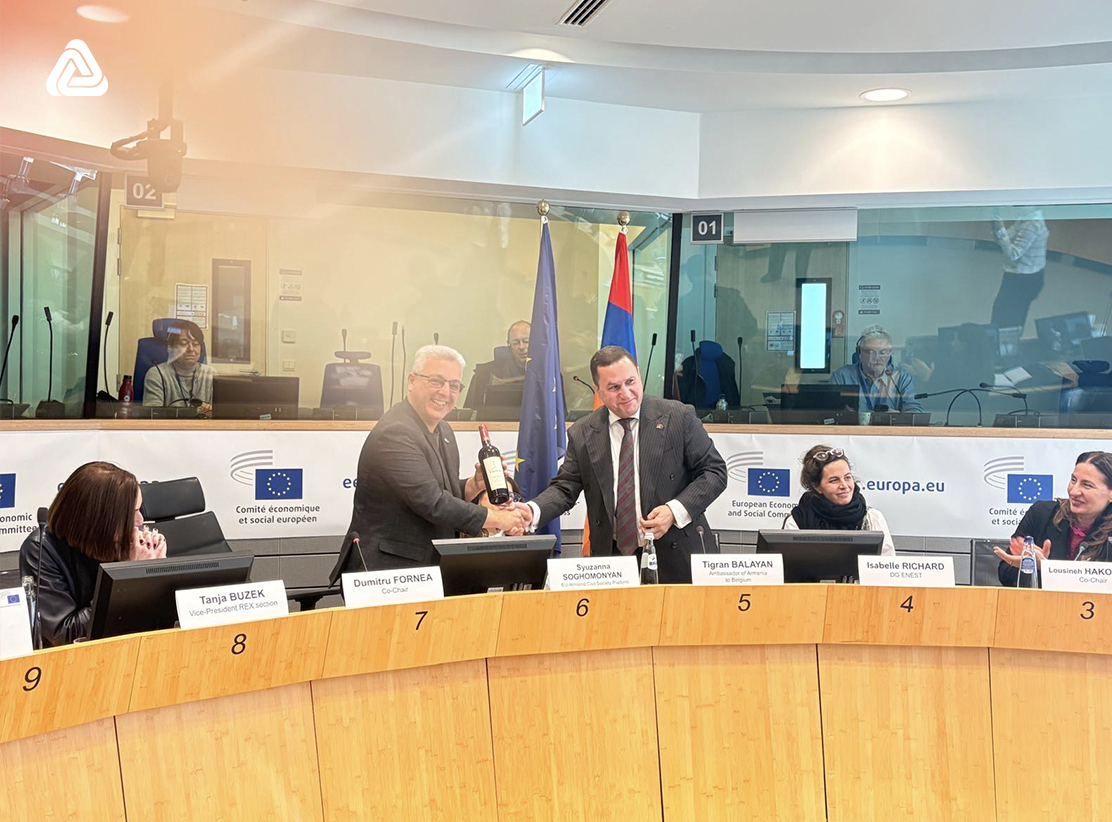
H.E. Tigran Balayan, Ambassador of Armenia to Belgium, presented the progress achieved in EU–Armenia relations and CEPA implementation, also highlighting the new opportunities for Armenian producers arising from the EU's temporary Autonomous Trade Measures.
Decent Work and Social Dialogue in a Transforming World of Work
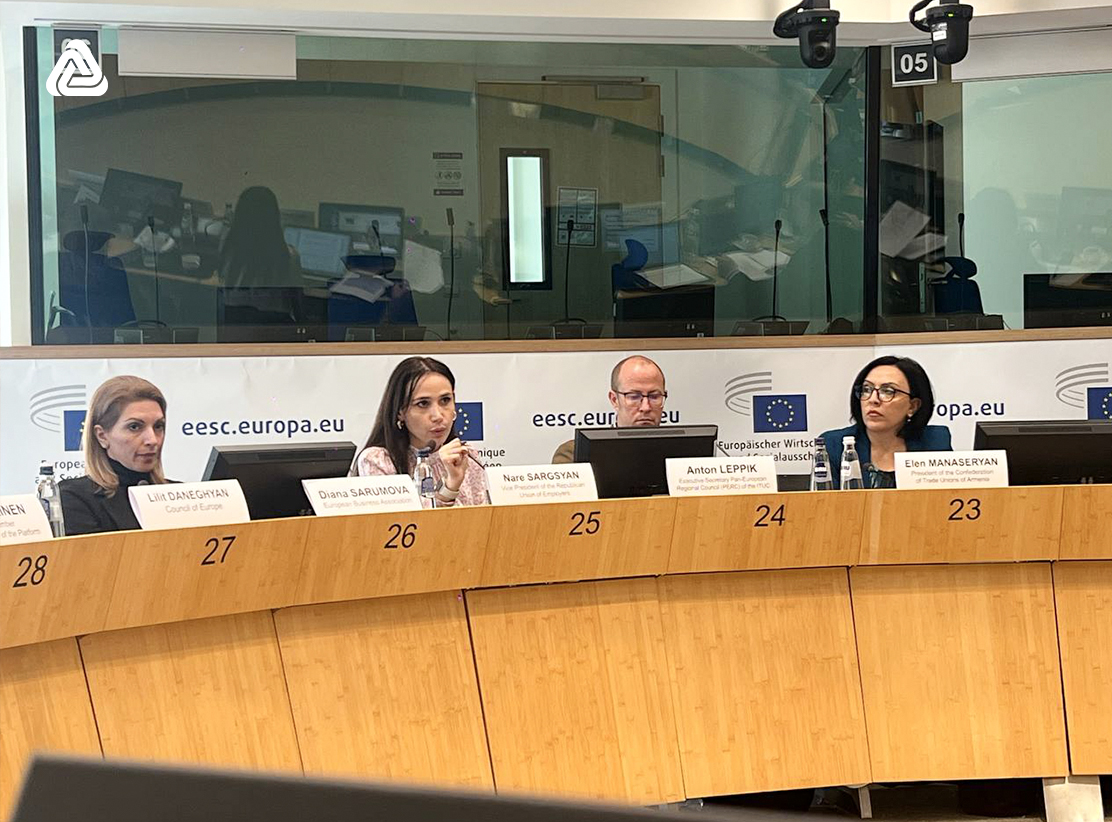
Nare Sargsyan, Vice-President of RUEA, participated in the panel discussion entitled “Labour in a Transforming World: Decent Work, Social Dialogue and Rights,” presenting the perspective of Armenian employers.
Addressing the impact of artificial intelligence, digitalisation and rapid labour-market transformations, she emphasised that it is essential not only to respond to the consequences of technological change but also to develop mechanisms to anticipate and manage these transformations.
In this context, she highlighted the importance of continuous social dialogue among employers, workers and the government in identifying emerging skills needs, expanding reskilling and upskilling opportunities, responding to new forms of work organisation and developing appropriate safeguards for workers' rights.
Nare Sargsyan stressed that employers should be involved not only in adapting to ongoing changes but also in shaping labour-market policies and skills-development strategies.
Promoting the Transition from the Informal to the Formal Economy
Nare Sargsyan also participated in the panel discussion entitled “Promoting the Transition from the Informal to the Formal Economy,” moderated by Lousine Hakobyan, Co-Chair of the EU–Armenia Civil Society Platform.
Presenting RUEA's experience, she outlined the Union's work within the International Labour Organization (ILO)-supported project on the transition from informal to formal employment.
As a result of the project, RUEA developed a package of reform recommendations, which was presented and discussed with relevant public authorities. A significant number of these recommendations, particularly those aimed at improving tax administration, were also discussed with the State Revenue Committee of Armenia, with most of them having been accepted.
RUEA emphasises that the formalisation process should rely not exclusively on inspections and sanctions, but also on effective incentives and support mechanisms. It should ensure economically viable and accessible conditions for businesses, particularly small and medium-sized enterprises (SMEs). Achieving this requires simplified administrative procedures, a predictable tax environment, advisory support and practical solutions that encourage businesses to transition to formal operations.
Adoption of the Joint Declaration
The meeting concluded with the adoption of the Joint Declaration of the EU–Armenia Civil Society Platform, reflecting the shared priorities and recommendations of Armenian and European civil society organisations and social partners.
RUEA's participation in such platforms is important for bringing the perspectives of Armenian employers to European partners, strengthening social dialogue and ensuring that private-sector interests are represented in the development of Armenia's economic and labour policies in line with the European cooperation agenda.
LATEST NEWS
-
 15-05-2021The food security system can become a cornerstone for integrating and linking various sectors of the economy and becoming an alternative model for economic development. RUEA has been working with the World Food Programme in a multiphase assessment of Armenia’s food security system. On 5 February, 2021 we had a mini-conference to discuss the pillars around which food security system of Armenia can help develop the other sectors of the economy (we estimated at least 15 such sector linkages with food security).
-
 05-10-2014The training courses, organized in the framework of ALIGN project, aimed to assist and support higher educational institutions of Armenia in the process of compliance the Educational Programs with National and Sectorial Educational requirements of Armenia. The trainings were developed in the framework of TEMPUS ARMENQA and INARM projects in accordance with the requirements of the European educational system.
-
 27-02-2020In February 2020, a conference-discussion was held on "The importance of occupational safety and health for employers" organized by RUEA with the support of the International Labor Organization.
-
 30-04-2021On 30 April 2021, three RUEA representatives attended a meeting on the progress of the “Resource Saving and Clean Production” (RSCP) component of the “EU for the Environment” program. The main purpose of the meeting was to demonstrate the possible application of RSCP practices based on food / agriculture, construction materials and chemical industry, as well as to receive suggestions on partnership opportunities with other interested organizations.