RUEA Expands Cooperation in the Renewable Energy Sector
.jpeg?token=b31f9dde4fa649411f467b5b9f3ef024 "RUEA Expands Cooperation in the Renewable Energy Sector")
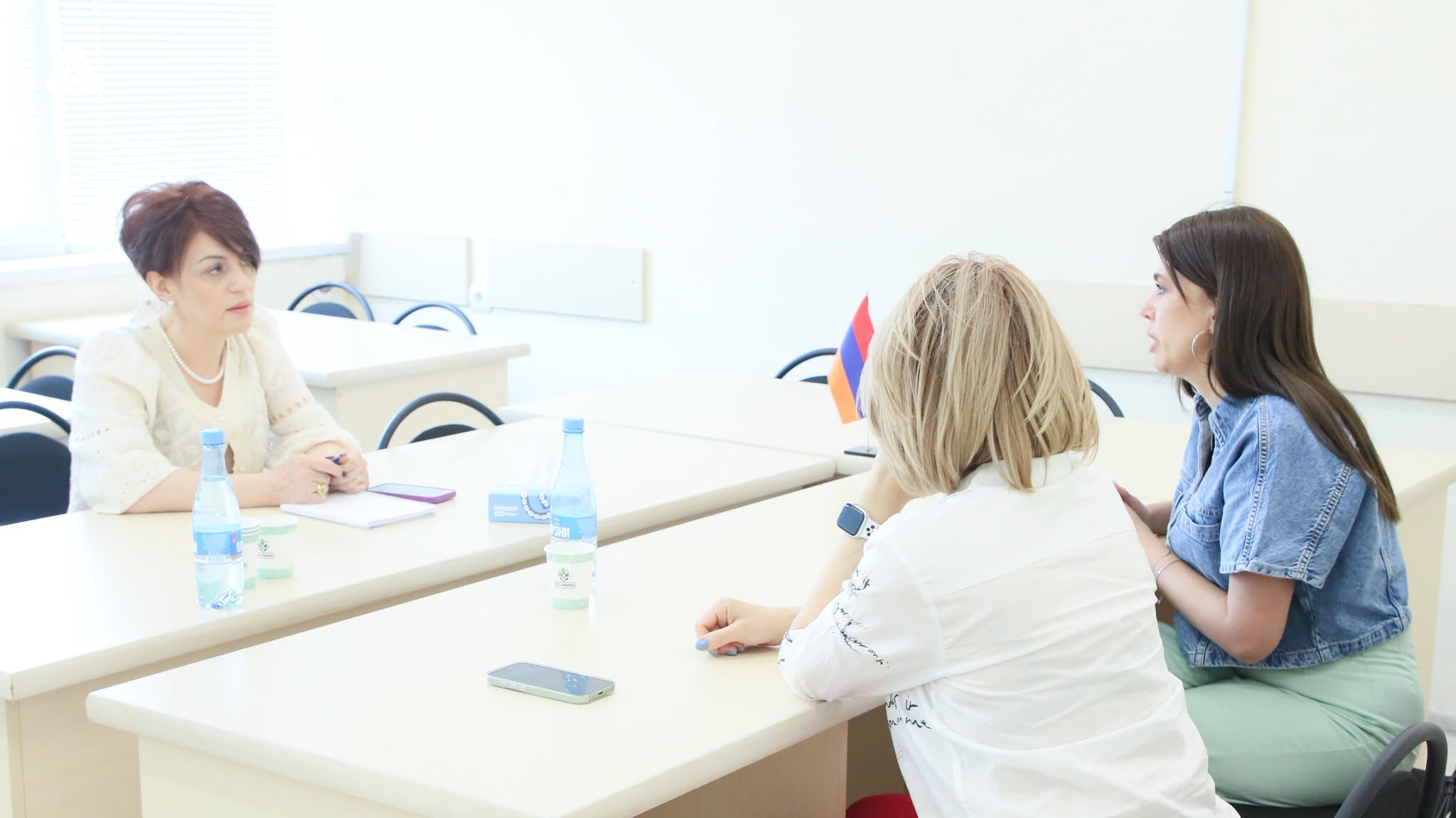
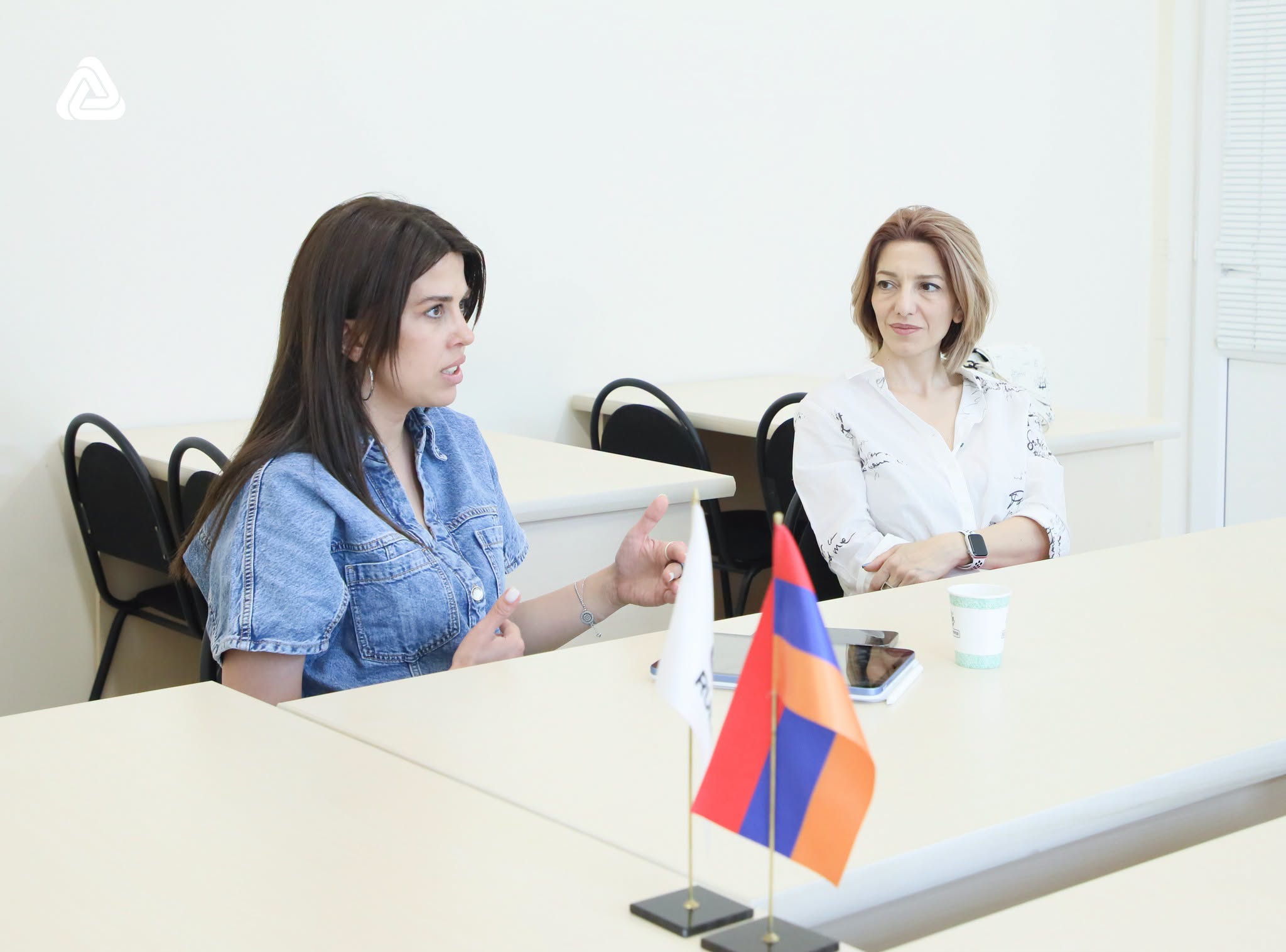
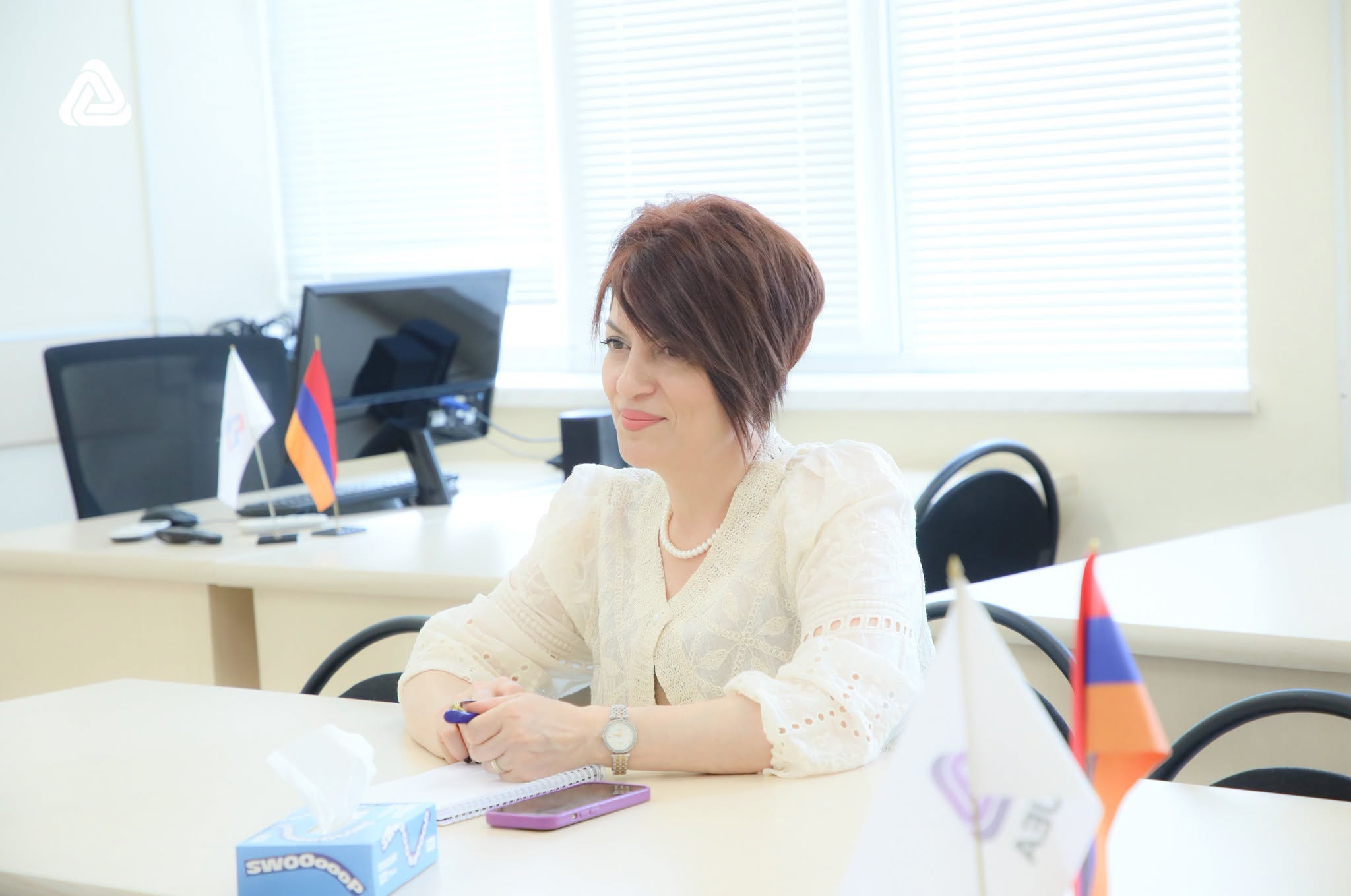
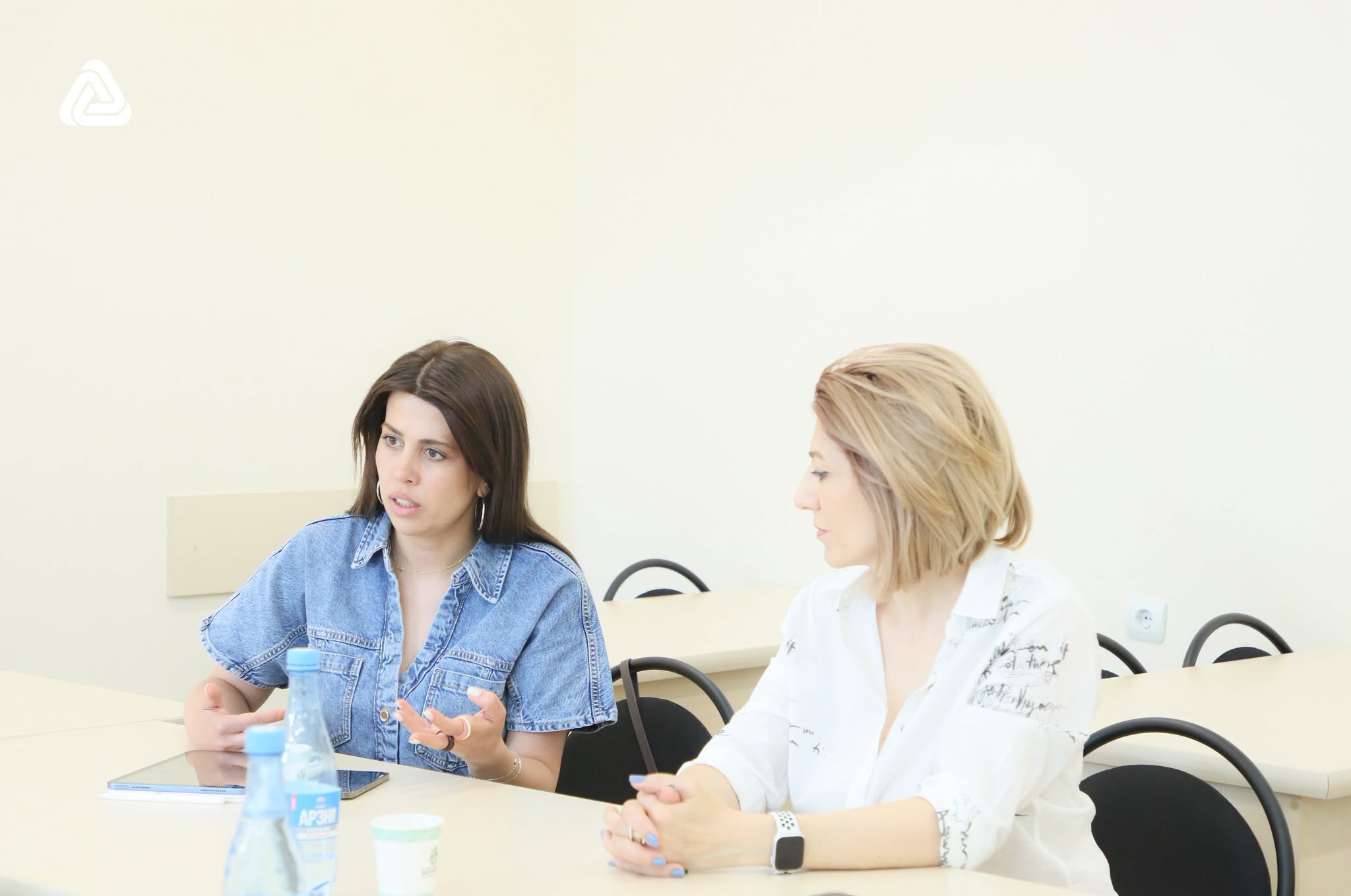
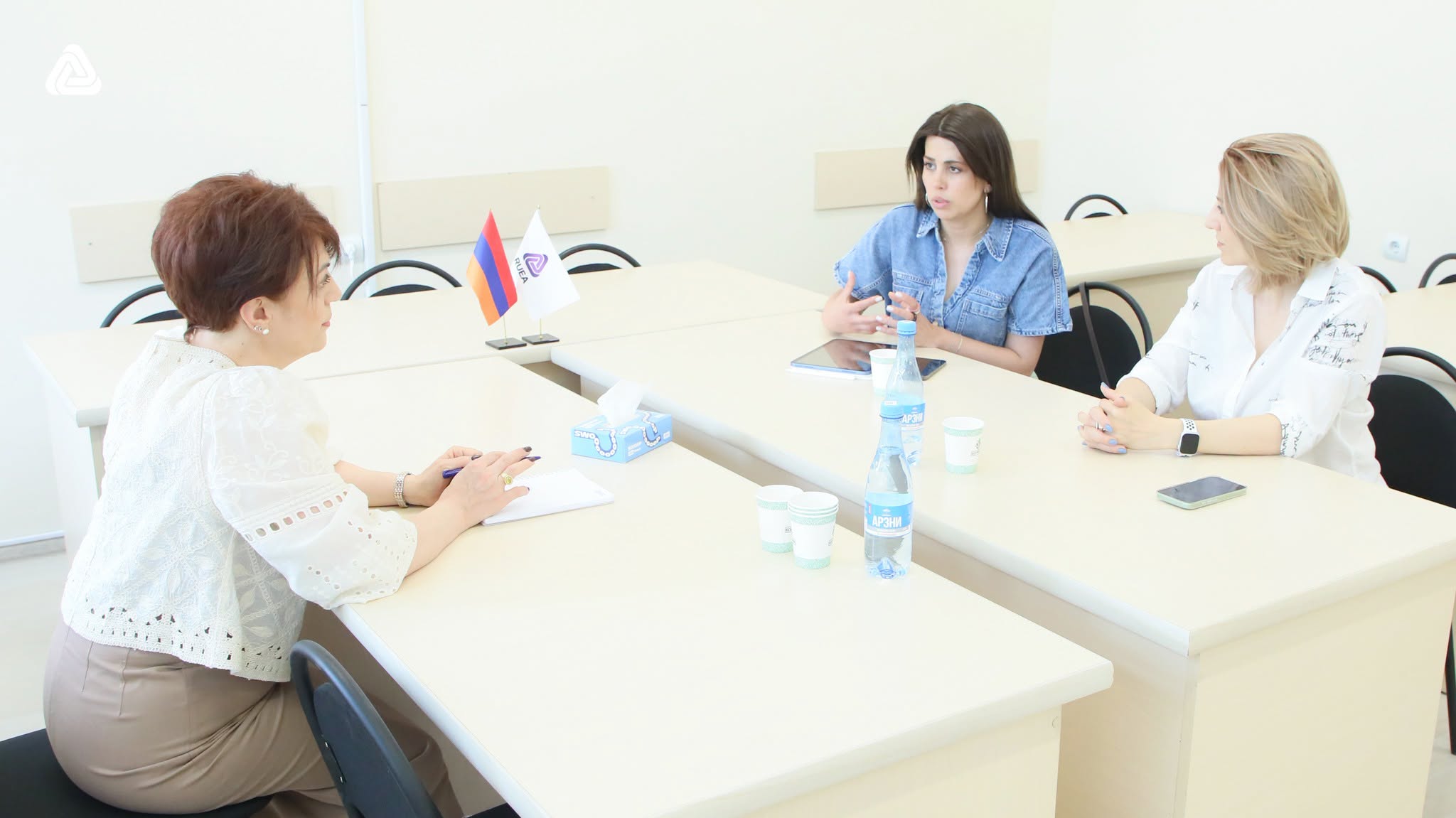
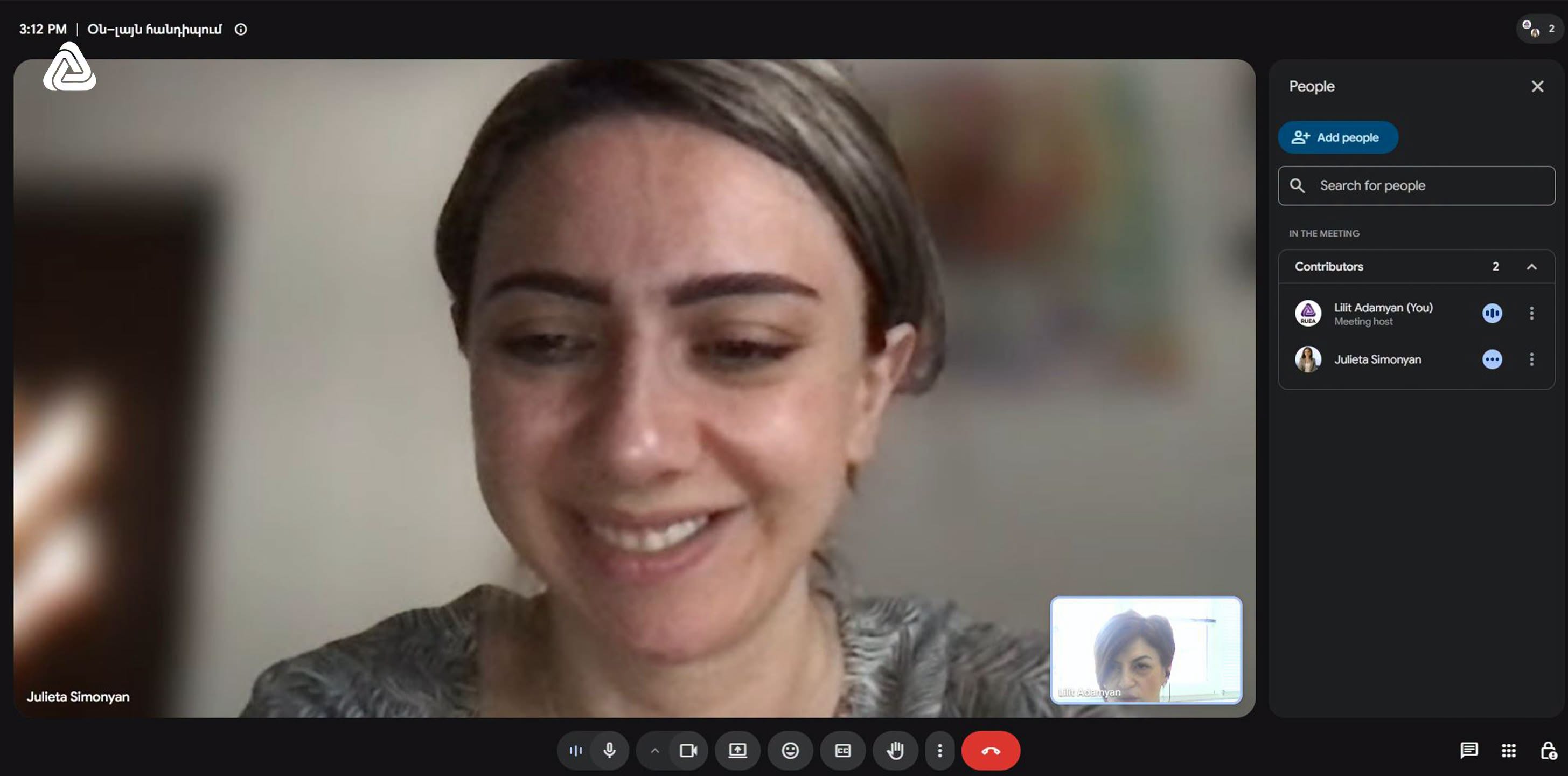
From 9 to 15 June, Maria Khakhamyan, Vice President of the Republican Union of Employers of Armenia (RUEA), and Lilit Adamyan, Executive Director of RUEA, held a series of meetings with Hasmik Sargsyan, Executive Director of Zenith Academy, and Julietta Simonyan, Executive Director of the Armenian Solar Energy Association.
The meetings focused on exploring opportunities to expand cooperation among the organisations and developing joint initiatives aimed at supporting the growth of Armenia’s solar and renewable energy sector.
Particular attention was given to opportunities to raise awareness of the key challenges and development priorities facing Armenia’s solar energy sector. In this context, the parties discussed the potential membership of sectoral organisations in the Republican Union of Employers of Armenia, which would provide an opportunity to represent sector-specific concerns in a more coordinated manner and advance them through dialogue with relevant government authorities.
The participants emphasised that RUEA’s active engagement in public–private dialogue platforms, tripartite social partnership mechanisms and public policy development processes provides an effective channel for addressing the sector-specific challenges faced by its member organisations and ensuring that employers’ perspectives are reflected in policy discussions.
The meetings also highlighted the importance of Armenia’s ongoing policy efforts towards the green transition and the development of a greener economy. The participants stressed that the continued growth of the renewable energy sector requires closer cooperation among the private sector, education and training institutions, and public authorities.
In this regard, closer cooperation among RUEA, Zenith Academy and the Armenian Solar Energy Association could provide a valuable platform for developing joint initiatives and contributing to policy discussions and the further development of the sector.
One of the key topics discussed was also the REnForce – Strengthening Workforce Potential in the Renewable Energy Sector project, implemented within the framework of the Erasmus+ Capacity Building programme through the joint efforts of Armenian and international partners.
Launched in January 2025, the three-year project aims to strengthen vocational education and training in the renewable energy sector by modernising VET programmes, promoting Work-Based Learning (WBL), and strengthening links between VET institutions and the labour market.
As part of the project, two key documents have already been developed: the Curriculum Revision and Modernization of the Vocational Education Programme in Renewable Energy and a Practical Guide on Work-Based Learning in the Renewable Energy Sector. Both documents draw on the views and input of relevant sector stakeholders, as well as an assessment of international good practices.
RUEA has also conducted a survey to gather labour market feedback for the modernisation of the vocational education and training programme and has provided expert recommendations on the newly developed Internship Programme, which represents an important practical component of the vocational education programme.
RUEA’s contribution to this work has included bringing together feedback from employers and other labour market representatives on the curriculum revision, consolidating their comments and recommendations, and ensuring that sector perspectives are reflected in the programme development process. RUEA has also finalised the Internship Programme from its side and provided expert recommendations to the National Polytechnic University of Armenia (NPUA).
In parallel, RUEA has been actively engaging solar energy companies in the project and facilitating opportunities for students to undertake internships in the sector. A number of solar companies have expressed their willingness to cooperate and provide internship placements, creating a stronger link between vocational education and real workplace experience.
The active involvement of sectoral organisations and employers in the project provides an important opportunity to ensure that the educational programme is closely aligned with the actual needs of the labour market and contributes to the development of a skilled workforce equipped with the competencies required by Armenia’s renewable energy sector.
The parties agreed to continue their discussions and, within the framework of RUEA membership, work closely together in the coming period to develop and implement joint initiatives aimed at supporting the sustainable development of the renewable energy sector in Armenia.


LATEST NEWS
-
.jpg?token=8025eb434b4e59062e545fc9a6bfd0f4 "Food Security System in Armenia as an Alternative Model of Economic Development") 15-05-2021The food security system can become a cornerstone for integrating and linking various sectors of the economy and becoming an alternative model for economic development. RUEA has been working with the World Food Programme in a multiphase assessment of Armenia’s food security system. On 5 February, 2021 we had a mini-conference to discuss the pillars around which food security system of Armenia can help develop the other sectors of the economy (we estimated at least 15 such sector linkages with food security).
15-05-2021The food security system can become a cornerstone for integrating and linking various sectors of the economy and becoming an alternative model for economic development. RUEA has been working with the World Food Programme in a multiphase assessment of Armenia’s food security system. On 5 February, 2021 we had a mini-conference to discuss the pillars around which food security system of Armenia can help develop the other sectors of the economy (we estimated at least 15 such sector linkages with food security). -
.jpg?token=eab5c8c15e5dd74392a64a3573d0fa0a "Experience exchange and trainings in Gent in the framework of Tempus program") 05-10-2014The training courses, organized in the framework of ALIGN project, aimed to assist and support higher educational institutions of Armenia in the process of compliance the Educational Programs with National and Sectorial Educational requirements of Armenia. The trainings were developed in the framework of TEMPUS ARMENQA and INARM projects in accordance with the requirements of the European educational system.
05-10-2014The training courses, organized in the framework of ALIGN project, aimed to assist and support higher educational institutions of Armenia in the process of compliance the Educational Programs with National and Sectorial Educational requirements of Armenia. The trainings were developed in the framework of TEMPUS ARMENQA and INARM projects in accordance with the requirements of the European educational system. -
.jpg?token=13b29dc42a0d1b123d77b33b63ccae6a "A conference-discussion was held on \"The importance of occupational safety and health for employers\".") 27-02-2020In February 2020, a conference-discussion was held on "The importance of occupational safety and health for employers" organized by RUEA with the support of the International Labor Organization.
27-02-2020In February 2020, a conference-discussion was held on "The importance of occupational safety and health for employers" organized by RUEA with the support of the International Labor Organization. -
.jpg?token=b8204d111cfc35e17dd27ae6feb09f9c "RUEA members can participate in the EU “Resources Saving and Clean Production” program") 30-04-2021On 30 April 2021, three RUEA representatives attended a meeting on the progress of the “Resource Saving and Clean Production” (RSCP) component of the “EU for the Environment” program. The main purpose of the meeting was to demonstrate the possible application of RSCP practices based on food / agriculture, construction materials and chemical industry, as well as to receive suggestions on partnership opportunities with other interested organizations.
30-04-2021On 30 April 2021, three RUEA representatives attended a meeting on the progress of the “Resource Saving and Clean Production” (RSCP) component of the “EU for the Environment” program. The main purpose of the meeting was to demonstrate the possible application of RSCP practices based on food / agriculture, construction materials and chemical industry, as well as to receive suggestions on partnership opportunities with other interested organizations.